
Phytoremediation is the process of using plants to clean the environment by absorbing or breaking down pollutants.
Excessive fertilizers and pollutants in water bodies pose significant environmental challenges, leading to eutrophication, algal blooms, and degraded ecosystems. Duckweeds pose a solution to this problem through their unique ability to directly absorb and remove excess nutrients and contaminants from water, making them highly effective in restoring water quality.
Wastewater treatment
Agricultural runoff and wastewater discharge often contain high concentrations of nitrogen and phosphorus, which lead to the eutrophication of a water body. Duckweeds are able to take up nitrates and phosphates from the water, incorporating these nutrients into its biomass and removing them from the water. As such, duckweeds help prevent the uncontrolled growth of algae and help restore the ecological balance of aquatic systems.
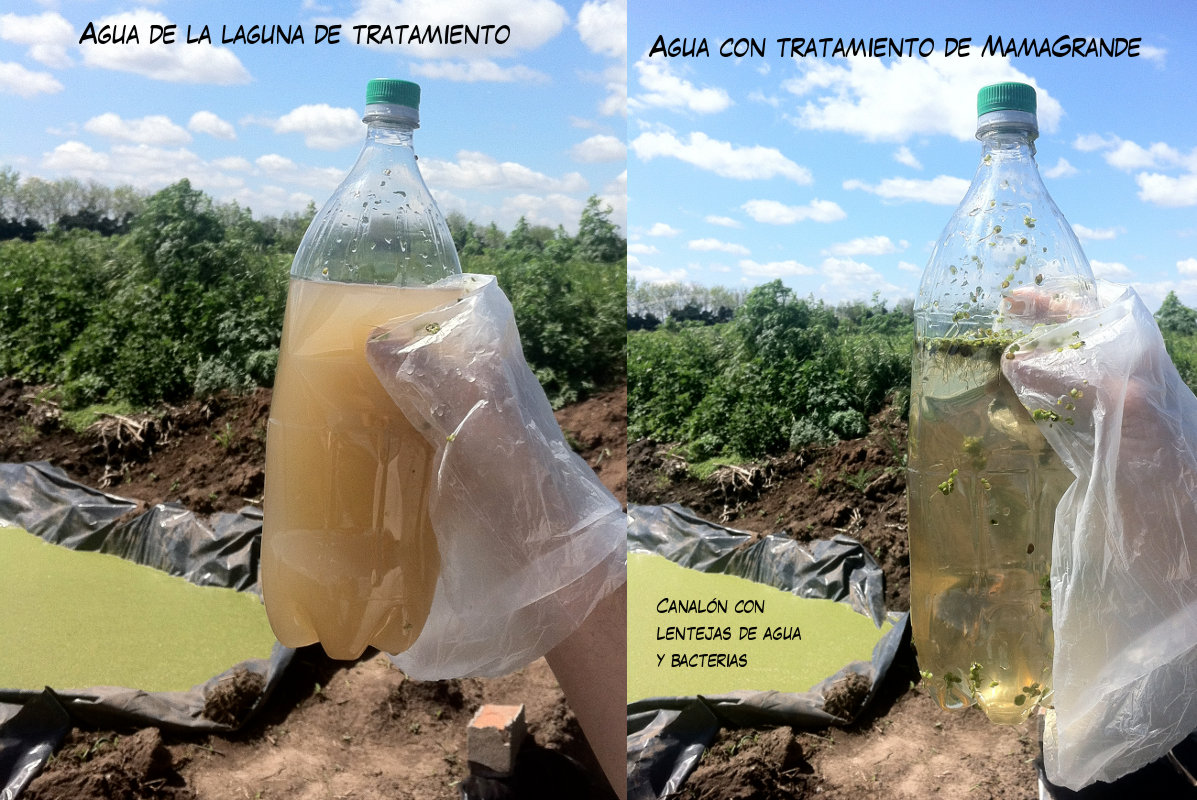
Moreover, after wastewater treatment, duckweed can be repurposed as a resource for producing biofuel or animal feed. For example, the Agriquatics system in Mirzapur uses duckweed grown in wastewater to feed fish in fish farming. You can learn more about their system in this YouTube video: Watch here.
Removal of Pollutants
Duckweeds also pose a solution in removing harmful pollutants from water bodies. It can absorb and accumulate harmful heavy metals, and take up and metabolize xenobiotics and pharmaceutical drugs.