The European Duckweed Network Workshop
The European Duckweed Network (EDN) is organising a duckweed workshop in Ghent, Belgium, on October 24th, 2025 (09:00–16:30). The workshop will focus on the cultivation of duckweed for food applications. In the morning, several invited specialists as well as selected contributors based on submitted abstracts will give oral presentations. During the coffee break and lunch, there will be space for a poster session. The six best posters will be selected during the workshop to give a 5-minute pitch just before the lunch break. In the afternoon, we will go on a field trip to a pilot facility (175 m² cultivation pond with an automated harvesting system in a greenhouse).
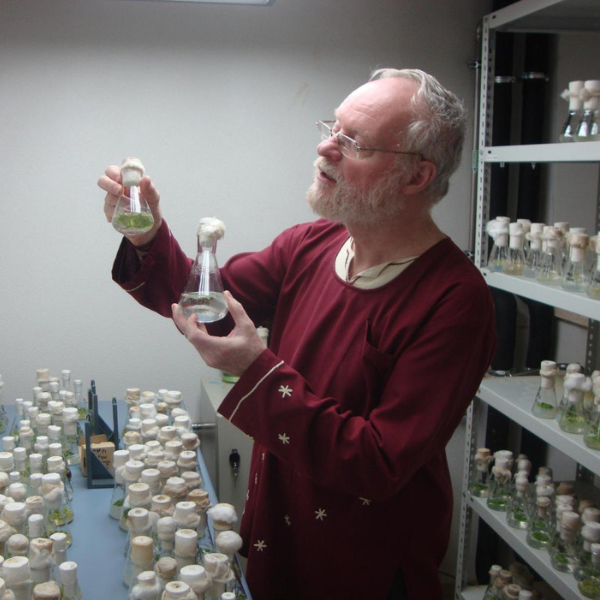
PD. Dr. Klaus Appenroth is a Senior Guest Scientist (retired) at Friedrich Schiller University Jena, Germany, and a member of the ICDRA steering committee. He is one of the leading figures in duckweed science, having significantly contributed to its growth as a research field. His research has primarily focused on the physiology, taxonomy, and practical applications of duckweed species. At the EDN Workshop, Klaus will deliver an introductory presentation on duckweed for food applications, highlighting key scientific challenges to developing duckweed as a sustainable and nutritious food source.
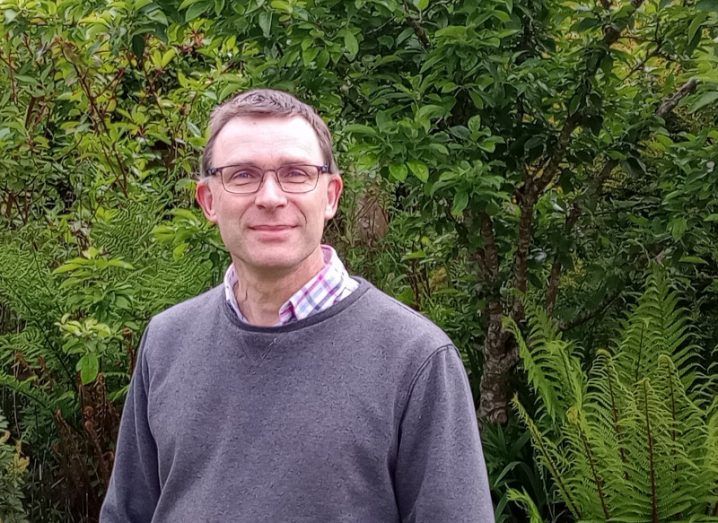
Prof. Dr. Marcel Jansen is a Senior Lecturer and Research Leader in Applied Plant Biology at University College Cork (UCC), Ireland. He is a member of the ICDRA steering committee and actively participates in international duckweed research. His work focuses on how plants adapt to changing environmental conditions, with duckweeds (Lemnaceae) serving as one of the core organisms studied by his research group. At the EDN Workshop, Marcel will present on the “clean production” of duckweed for human consumption, addressing cultivation methods and strategies to ensure food safety.
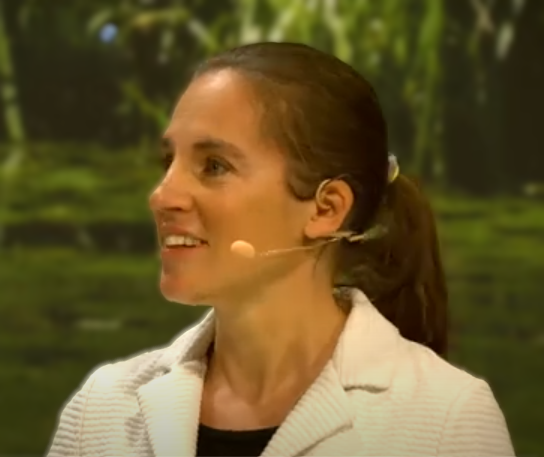
Bio engineer An Callens is a researcher at VIVES University of Applied Sciences with 13 years’ experience in food processing and innovative, often protein-rich ingredients - including water lentils. At the EDN Workshop, she will cover: the presence of active vitamin B12 in water lentils, the shelf-life of fresh water lentils, and product development of a tasty, healthy burger that meets the “source of protein” claim - using fresh, thawed, and powdered water lentils (Lemna minor and Wolffia globosa).
EXCURSION
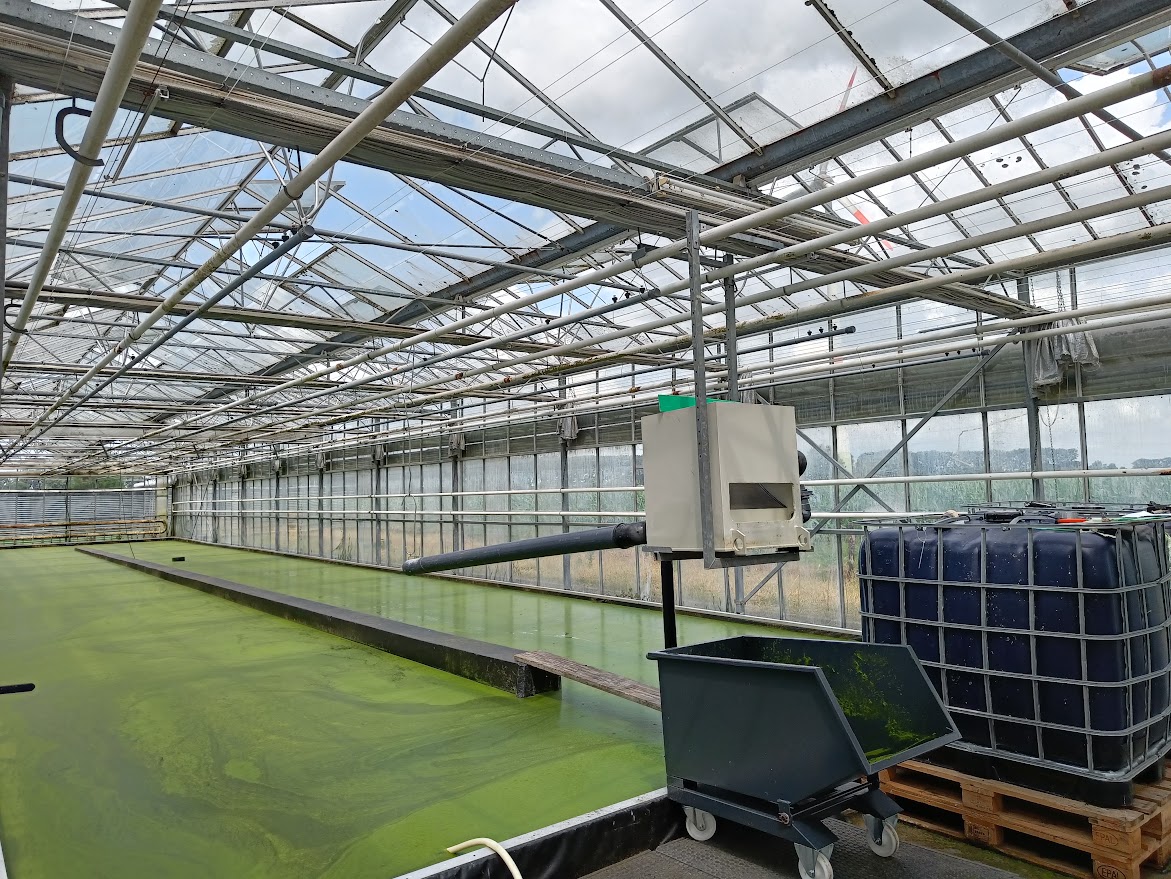
Pilot Duckweed Pond
In the afternoon, there will be a visit to a pilot duckweed pond operating under greenhouse conditions within the LemnaPro project. The pilot pond is located in the greenhouse of Azalea growers Hans and Kathleen Van De Steene, Belgium. Transportation will be arranged from the workshop venue in Ghent (location to be announced) to the pilot site and back.
PROGRAM
| 08:30 | Coffee, registration and poster hanging Venue: Provinciehuis (Charles de Kerchovelaan 189, 9000 Gent) - Meeting room: Parade |
| 09:00 | Welcoming speech and introduction presentation of the EDN |
| 09:10 | Klaus Appenroth - Introduction presentation on duckweed cultivation for human consumption |
| 09:40 | Marcel Jansen - Clean production of duckweed for human consumption, addressing cultivation methods and strategies to ensure food safety |
| 10:10 | An Callens - Packaging of safe duckweed |
| 10:40 | Coffee break and poster presentations* |
| 11:00 | Paul Fourounjian (online) - economic feasibility of fresh duckweed for food production |
| 11:15 | Sai Chand Sabbireddi - Plant Protection and Post-Harvest Techniques of Duckweed |
| 11:30 | Viktor Olah - Estimation of duckweed biomass quality by optical proxies |
| 11:45 | Lynn Verreydt - From Concept to Shelf: Success Drivers for the launch of innovative products |
| 12:00 | Poster* pitches of 4 selected posters |
| 12:30 | Lunch |
| 13:30 | Excursion to a duckweed pilot pond under greenhouse conditions in Maldegem |
| 16:30 | Reception and wrap-up |
* Overview of poster-presentations
Rinus Minkjan - The quality of the endproduct depends on the quality of the raw material
Alexandra Katsara - Exploring Duckweed for Remediation and Resource Recovery
Cristian Perna - Exploiting Duckweed Diversity for Nutrient Recovery from Dairy Effluent and Valuable Biomass Production as a Feed Supplement
Natasha Manyenga - Application of duckweed as a sustainable green manure for food production
Muhammad Irfan - Sustainability analysis of duckweed protein for animal feed production
An Callens - Waterlentils, a potential plant-based source of vitamin B12
WORKSHOP REPORT
Report by Ms Marie Lambert, Dr Reindert Devlamynck, Prof. Klaus Appenroth and Prof. Marcel Jansen
As published in the ISCDRA newsletter (November, 2025)
In recent years, Flanders has witnessed strong growth in duckweed research across universities, research institutions and industry. The FWO-funded European Duckweed Network (EDN) brings together the varied interests in duckweed research and applications in a comprehensive skills and expertise network. EDN covers a range of duckweed activities including ecotoxicological and remediation work, studies of gene-expression and whole genome organisation, and work on large-scale cultivation, biomass processing and economic analysis. As such EDN spans the entire range from pioneering laboratory scale studies to applied, stakeholder-led applications. The Gent workshop zoomed in on one particularly promising area of duckweed research, advancing water lentils as a novel food for human consumption.
The early part of the morning was allocated to three introductory talks. PD. Dr Klaus Appenroth (Friedrich Schiller University Jena, Germany, and ICDRA steering committee) systematically reviewed knowledge about the suitability of water lentil biomass for human consumption. However, as pointed out in this talk, the metabolic composition of water lentils varies with growth conditions and genotype. For example, the balance between starch and protein accumulation shifts towards starch in plants exposed to stress. Apart from the (highly desirable) amino acid composition of water lentils, Klaus emphasised both the favourable fatty acid profile (high % polyunsaturated fatty acids) as well as the highly attractive content of vitamin B12, which does make water lentils of great interest for those on vegan or vegetarian diets.
Prof. Marcel Jansen (University College Cork (UCC), Ireland and ICDRA steering committee) emphasised that water lentil biomass for human consumption has to be clean, healthy and nutritious. This places constraints on the cultivation method and emphasises the need for protected cropping. However, any indoor system will need to be space-efficient, and this has driven the development of stacked cultivation systems whereby multiple layers of water lentils can be grown per area of floor space. Marcel detailed some of the operational parameters for such systems, including flow rate, water velocity and turbulence. Poor management of the hydrodynamics can substantially lower water lentil yields. Marcel also presented a novel way of stacked growing, whereby water containing trays are omitted from the stacked design, but instead plants are suspended on thin layers of fabrics exposed to a mist of fine water droplets. Such growth under fog conditions offers scope to massively increase the number of water lentil layers per area of floor space.
Researcher Ms An Callens (VIVES University of Applied Sciences, Belgium) focused in her talk on food processing. An focused on important questions that are rarely addressed, including the question of the shelf-life of water lentils. Heat treatment was found to be essential to keep the total aerobic microbial count of stored water lentils within legal limits (i.e. <5000 CFU/g). However, perhaps surprisingly, storage of water lentils under controlled (75% N2) atmosphere packaging did lead to discoloration of the water lentils, a discoloration that was not seen when water lentils were packaged using normal atmospheric composition. This is an important consideration given the role of an attractive colour for commercial sales of water lentils. A second part of An’s talk focused on the vitamin B12 content of duckweed. Research as part of the LemnaPro project showed that collected Lemna samples contained the active form of vitamin B12. Finally, An presented the development of an innovative vegetarian burger, which contained 45% fresh Lemna minor. This kind of product development, including the study of how such burgers can be stored, is an important step towards bringing water lentils to European consumers.
A number of short talks further zoomed in on the development of water lentils for human consumption. Dr Paul Fourounjian developed a number of economic feasibility scenario’s for culturing and processing of fresh water lentils for food production. Interestingly, these models especially emphasise the economic value of wastewater treatment. However, as Paul stated “Every model is wrong, but some models are useful”.
One of the major risks of increased duckweed cultivation is an increase in the incidence of pests and diseases. Mr Sai Chand Sabbireddi reported on the very extensive damage caused by the small China-mark moth (Cataclysta lemnata), a point illustrated with some excellent video shots. Other potential pests include water lily aphids, clubbed soldier fly and water beetles.
Prof. Viktor Oláh reported on the development of novel proxies for duckweed dry matter and protein content. This very promising approach is starting to reveal that non-destructively measured reflectance and transmittance parameters can be used as indicators for dry matter and especially protein content, creating a useful tool for duckweed growers.
A very informative talk was given by Ms Lynn Verreydt and Ms Katrien Neveux from the organic supermarket chain BioPlanet. They focussed on the drivers for the successful launch of innovative products. Their talk focussed on the readiness of “Product, Price, Place, Promotion and People”. The concept of water lentils as a “product” focussed on factors such as taste, vitamin B12 content, water lentil product lines ranging from freshwater lentils to frozen burgers, and packaging. “Place” refers to an awareness of the market, i.e. from supermarkets to restaurant trade, while “People” relates to consumer groups amongst others flexitarians, vegetarians and vegans.
Finally, a series of short poster presentations highlighted some critical research. Mr Christian Perna reported on the cultivation of duckweed using dairy processing wastewater, while Ms Alexandra Katsara used a parallel approach by growing duckweed on fish processing wastewater. Consistently, Dr Muhammad Irfan reported on the environmental sustainability of duckweed protein, especially where wastewater is used. Mr Rinus Minkjan focused on the economic sustainability of duckweed cultivation, including the fact that the price of duckweed protein needs to be comparable to that of soy to be competitive. Finally, Ms Natasha Manyenga reported on the scenario where duckweed is neither suitable for use as food nor as feed. A series of duckweed soil amendment experiments shows great potential for the use of such duckweed as mulch and/or fertilizer.
In the afternoon, delegates visited an innovative duckweed pond operating in a commercial setting (Fig. 1). The pilot pond is located in the extensive greenhouses of azalea growers Mr and Ms Hans and Kathleen Van De Steene. The 180 m² cultivation pond includes an automated sieve-tray harvesting system which is used to capture some 80 kg FW of duckweed per week. The biomass is currently used as feed for fowl but use for human nutrition is a possible consideration. Indeed, some of the harvested duckweed biomass was used by Hans and Kathleen Van De Steene to serve some excellent duckweed burgers, using a recipe developed by An Callens (Fig. 2). The excellent consistency and taste of the duckweed burger, including the possibility to store prepared raw burgers in the freezer, demonstrates that plans to introduce Lemna species for use as human food in Europe are well advanced.
Concluding statement
The workshop was a resounding success. A key component of the success was diverse group of experts brought together (Fig. 3) which had, however, a common focus, i.e. progressing the development of duckweed as human food in Europe. The workshop revealed how these different expertises are in fact complementary parts of a comprehensive product development chain linking cultivation with harvesting, food processing and marketing of products. By bringing together different expertises, the workshop organisiers (Marie Lambert, Marcella Fernandes de Souza and Reindert Devlamynck) contributed substantially to the development of water lentils as a product for human consumption.
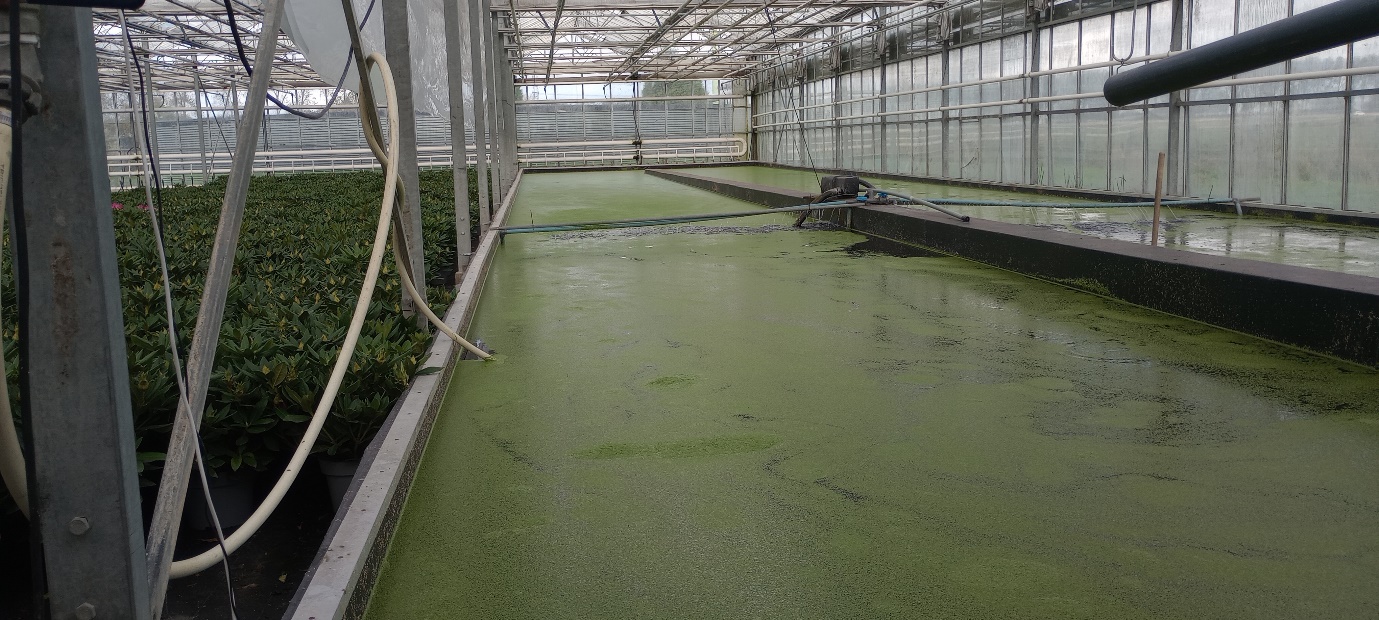
Figure 1. The 180 m2 duckweed pond at the farm of Hans and Kathleen Van De Steene. The action of the spray beam halfway gives some gentle water circulation whilst the associated UV-C filter assists with keeping levels of nuisance algae low.
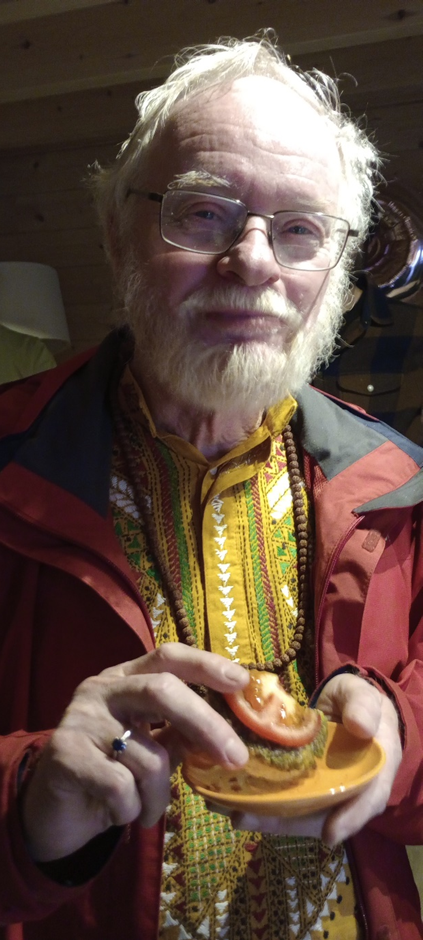
Figure 2. Prof. Klaus Appenroth enjoying an excellent duckweed burger developed by researcher An Callens
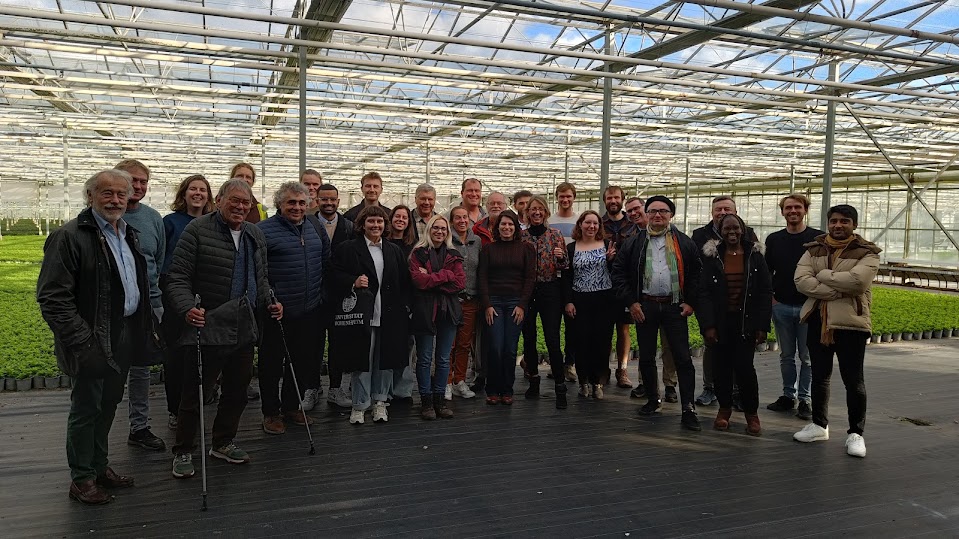
Figure 3. Delegates at the duckweed farm in Flanders
Organised by the EDN partners: Inagro vzw and Ghent University